Monday, December 2, 2019

Marathon Day One????

Dream big. We often tell our own kids to dream big, do something incredible. Yet, the older we get our dreams get smaller. We risk less and gain less. Perhaps we have more to lose so we don't take as many chances. I am not sure. When I was younger big decisions seemed easier and now they are harder. It might because we are getting older or it might be because of our circumstances. 

It has been almost three years since Jenna was diagnosed. During that time I started running as a way to cope and deal with my anxiety surrounding her battle with cancer. In the darkness a dream has started to emerge. It started small and has now grown into a full fledged crazy dream. I have this image in my head of finishing a marathon with her waiting at the finish line. 

Maybe I have this dream because I want to do something challenging and difficult because I can't fight her battle for her and maybe this idea of taking on a monumentally demanding task of running 26.2 miles makes it feel like I am doing something. Maybe crossing the finish line with her watching will provide some sort of relief or even erase the last three years. I wonder if this idea of crossing the finish line in a race provides closure to this chapter. 

Here is the thing. Crossing the finish line won't provide closure and I know that. However, this dream won't go away. Maybe that is because I want to do something to show Jenna that I love her. I don't know how much time we will have together and this dream now follows me wherever I go. So now I will go for it. I will take action to make this dream a reality. 

There are two opportunities to fulfill this dream. One marathon in May and another in June. Jenna was in a trial for her recurrence and is no longer able to continue as her lab results are outside of the limits of the trial which means we are in limbo until we get the results of her CT scan. I don't know what her treatment will be moving forward, how that will impact her, and how that would coincide with training for a marathon. 

Today I started a long training program which will provide some flexibility and when we know more about her treatment and how she is progressing I will be able to determine which race to run. 


Day 1

Coming off a 100 mile month of November and an 8 miler yesterday today started with cross training and I added some weight training. We just purchased a Vitamix so back to the smoothies for breakfast. 

Monday, January 14, 2019

Why do I run?

Last week the alarm went off and I just stared at it for a moment. The realization that I was back to work seemed sudden and a little jarring. The 4:30 wake up call was very hard and when I found myself standing on the treadmill at the gym 30 minutes later I wasn't feeling any better. The three mile run was slow and sluggish and the whole time I kept looking down at the time and distance hoping and willing it to move faster. As I barely made it through the three miles I asked myself the question - why do I run?

In wasn't until recently that I used to despise running. It was to the point that if I saw someone running I would say that person is miserable and they are only pretending to be enjoying it. With our life turned upside down and turned into chaos by cancer I needed an outlet. Something and somewhere that I could escape the sadness, pain, and uncertainty. So I turned to the most unlikely source, running. I started out with running shorter distances and quickly fell in love with the rush of endorphins that come from completing a PR in time or distance. The pain I felt was swallowed up with each step. I had a place to find peace and to be able to think. The more I ran the better I felt. So I continued to run and challenge myself with longer distances. Completing the longer distances led to a sense of accomplishment. Learning how to push through barriers in running and learning how to dig deep to persevere has helped immensely with our families circumstances and in life. 

I needed almost everyday last week to get back into the running routine while being back at work. It wasn't until the last run of the week that I felt the joy of running, the endorphins, the sense of accomplishment and I was reminded of why I run. 

I run not because it is easy. I run because it is hard. I run because it helps me deal with challenging situations. It is through running that I get closer to the person that I want to be. 


There are several people that I want to thank for helping me with my running journey. The first is Jenna, who is the strongest and bravest person I know. She pushes through barriers each and every day and sets an example for me. Two colleagues come to mind as they have shared their experiences and I have learned quite a bit from them as well as being inspired by their journey as runners. The Two Gomers have been a source of laughter and encouragement. Their podcast is relatable, inspirational, and funny. I highly recommend it to any runner or someone who is just starting out on their running journey. 

Friday, January 4, 2019

Trust

As I turn the page on 2018 and look ahead to 2019 I think about my journey this past year and all of the things that have happened - the good, the bad, and the unexpected. It was a hard year in many ways. We made the difficult decision to downsize and sell the house that our girls have called home for the last 13 years. The house that Jenna and I built with the hope that it would be filled with cherished memories for our girls and one day grandkids. With Jenna coming off of her surgery and chemo from ovarian cancer at the end of 2017 and working to gain a new sense of normal we realized the big house was too much and while we had originally thought this would be our forever home it didn't make sense to stay.

The late winter and early spring was filled with getting the house ready to sell and to try and find a new home. We focused our efforts on townhouses and after being disappointed in the options after seeing many places we finally found one that we thought would work. The rest of the spring we got ready to move and get rid of things we didn't need or couldn't take with us. For our girls this was a painful process and it was hard to watch them struggle to let go of their home and their rooms.

Shortly after moving into the townhouse and after making some of the cosmetic changes we found out that Jenna had a recurrence with her cancer. She started chemo at the end of July and just finished in December. It took a toll on her as she battled to stay positive and to be able to be a great mom and spouse.

While we faced some big challenges in 2018 it wasn't all bad. Aleigh and I visited the University of Illinois and she loved it. She was recently awarded a scholarship for their College of Fine and Applied Arts summer intensive and we are incredibly proud of her. Caitlin is taking three high school class as an eight grade student and is doing very well. Cait and I  enjoyed the summer by powering through all of the Marvel movies to prepare for Avengers Infinity War which she loved. I took the challenge of running my first half marathon and enjoyed that so much I ran a second five weeks later.

My journey, and our journey as a family, has lead me to learn to let go and to try and stop controlling certain outcomes. Life has a way of teaching this lesson and for us we have certainly have been repeat students. My word for this year is trust. I spent a few weeks thinking about what word will have the most meaning for me this year and I landed on trust. It fits on a personal and professional level. It fits with my spiritual growth, it fits with our journey through Jenna's cancer treatment and recovery.

Trust, to me, means not only taking the leap of faith but understanding that the leap will result in a positive result. I trust that the work we will be doing in our school will have a positive impact on our teachers and students. I trust the doctors and their care for Jenna. I trust that the training I will do will result in a faster time for my next half marathon. I trust that God will not forsake us. I trust that even if our family faces unforeseen obstacles this year we will still find joy and happiness.

When it really comes down to it I don't think I had an option for another word. With the struggles and obstacles we have faced as a family and my limited ability to try and fix those things I am learning to understand the importance of trust.

Wednesday, September 26, 2018

Culture Code - a review

There are times that we pick up a book and can't put it down because every page, paragraph, or sentence offers a nugget of truth or information that is new to us. The Culture Code by Daniel Coyle is one of those books for me. Culture, leadership, collaboration, belonging, vulnerability, growth, happiness, fulfillment are all interconnected in my mind. You can't belong to a winning team without feeling connected and feel like you belong. We have all had experiences in life where that has rung true. We have also had experiences where we have been on loosing teams and we don't feel connected.

The author explores the keys to building culture through stories of successful businesses, teams, leaders, and through research that is being done by neurocientists and sociologists. He breaks the book down into three sections or skills: build safety; share vulnerability; establish purpose. Building safety is a key piece creating a positive culture. People need to know that this is a safe environment and it only takes one individual to create an unsafe environment.

That got me thinking how can I build safety. The author points out that " building safety isn't the kind of skill you can learn in a robotic, paint-by-numbers sort of way. It's a fluid, improvisational skill-sort of like learning to pass a soccer ball to teammate during a game." Coyle does provide a few tips on creating safety through dialing in to small, subtle moments.

  • Over communicate your listening
  • Spotlight you fallibility early on - especially if you're a leader.
  • Embrace the messenger
  • Preview future connections
  • Overdo thank-yous
  • Be patient in the hiring process
  • Eliminate bad apples
  • Create safe, collision-rich spaces
  • Make sure everyone has a voice
  • Pick up trash
  • Capitalize threshold moments
  • Avoid giving sandwich feedback
  • Embrace Fun
This is a long list of tips and it easy to get bogged down when considering where to begin or knowing there a few things that are more challenging given the role you may have in an organization. For  me I want to focus on a few of these in the coming months and reflect on my progress.

Here are the ones I want to work on:

Over communicate my listening - by avoiding interruptions and by being improving my listening posture.

Over do thank-yous - because it has less to do with the thanks and more to do with affirming the relationship.

Pick up trash - develop the mindset of seeking simple ways to serve the group.

Avoid giving sandwich feedback - handling negatives and positives should happen in different settings and the sandwich approach leads to confusion.

Monday, August 27, 2018

Connection

Shortly after we moved and slightly before Jenna's recurrence I wanted to find a way to connect with my youngest daughter, Caitlin, and do something fun with her. It was about the same time Avengers: Infinity War was in the theater and I asked her if she wanted to go see it. Now you need to understand that she has been an avid DC comic fan and hadn't seen any of the Marvel movies. For a few years I tried to get her to to switch her allegiance to Marvel, but she held firm in her belief that DC was better then Marvel. 

This time she took the bait with one exception. She wanted to watch all the Marvel movies in order before going to see Avengers: Infinity War. So we set off an a movie watching marathon over the course of three and a half weeks. We watched every movie in the franchise except for The Incredible Hulk. That meant we needed to watch seventeen movies. We ended up watching all seventeen in roughly 24 days. It was kind of crazy that almost every night we geared up for a movie. 

We streamed them, rented them from the library, and borrowed them. Sometimes it was just the two of us and sometimes it was the whole family. I had already seen most the movies, but it was something special to watch her see the movies for the first time. At first see was definitely Team Iron Man. However, as time went on she was she joined Team Captain because of her like of the Winter Soldier, Bucky. In fact she had grown to really connect with the characters. 

As we made our way through all of the movies the anticipation of seeing Infinity War grew. I am not sure who was more excited. We both already knew the spoilers before going into the movie. Caitlin was already thinking she would have a really hard time with the ending of the movie and yet she was still wanting to watch it. True enough she cried at the end of the movie and the entire car ride home. She loved the movie and talked about it constantly for several days. 

A few days later she gave me a hand written note thanking me for watching all of the Marvel movies with her. The note was so touching and I realized she had enjoyed the entire experience as much as I did. 


Connecting is the foundation for relationships. As we start the year think about the students that you have in your school and in your classrooms. How can you connect with them? What crazy adventure will you take your class on this year? How will you make this year a memorable one for them? At the end of the year how will your students feel?

Tuesday, May 29, 2018

Stressed

As we wind down the year we enter into a stressful time of year. Stress can cause us to loose empathy and understanding as we are wrapped up in our own worlds. I know for me this is definitely true as I go all out to tackle the to do list thinking that once I get done I can relax. Maybe that is my way of coping or trying to take some level of control.

To add to the normal end of the year stress we are in the midst of moving and packing up a house we lived in for 15 years. We also decided to have the floors replaced, rooms painted, and have the house painted in the new house. Talk about biting of more than you can chew.

As we moved along in this process we realized we could save money by doing some things ourselves so we decided to rip up the current flooring, replace the lighting in kitchen and dining room, and paint several rooms, add shiplap to the powder room and laundry room, and move 72 boxes of flooring up two flights of stairs (as I looked at the delivery slip it weighed over 2,000 pounds).


Needless to say I have stretched myself way too thin. I haven't been getting home until way after 11:00 every night for the past week and a half. I totally missed encouraging and coaching Aleigh about an interview for an internship she had today. Our current home is a disaster zone with boxes and bins strewn everywhere. My need to get things done and try and take control has left me exhausted and not able to see what is happening around me.

I wonder how many times it will take me to learn that getting wrapped up in the stress and chaos doesn't work for me or anyone else. I stop doing the things that matter, like investing in others, especially my kids.

Let's hope that this is the last time.

Monday, March 5, 2018

Moving

Have you ever had one of those weeks where everything seemed to go wrong and the more you tried to fix things the worse they seemed to get? Well last week was one of those weeks and in the midst of that our family made one of our hardest decisions. We came to terms with the fact that we need to sell our house and downsize. After dozens of conversations and wrestling with the idea of moving we decided to put our house on the market.

Jenna won't be going back to work full time and most likely not even part time. The recovery from surgery and chemotherapy has been more challenging than either of us anticipated. With that in mind we were faced with some very big decisions. Do we continue living in the only house our girls have called home or move to a new house so that we can continue to enjoy new and exciting experiences and make lasting memories? As we contemplated this decision it became clear over time that we want to build lasting memories. We value building those memories rather than things.

I wish I could say that we are super upbeat about our decision and looking at new houses that are half our size, but I would be lying. I wish I could say that both of our girls are okay, but that is not the truth. Their world is once again being turned upside down. We know that once the dust settles we all will be okay and I think that there is a little part of each of us that is excited about a new adventure.

It makes me think of the students that we come across that are constantly moving and how that uncertainty impacts them, or the students who have little voice in their families, or the students who don't have their own space to think or create. It is easy to assume that our students are doing well because they show up and do what we ask, yet beneath the surface it may be a huge struggle for them just to be there. We need to connect with our students and with each other to listen, to understand, to build trust so that we can create amazing schools and amazing classrooms. We may not be able to  change our circumstances or the circumstances of our students, but what we can do for our students is to model how we handle difficult situations. We can teach them that it is okay to be vulnerable and to trust others. We can teach them that they don't have to do it all alone.

While this post was not the easiest to write, I do feel it was important to write as I continue to reflect on how effective I am as the school leader. Am I modeling and teaching to our students and staff how to deal with adversity? Am I really connecting with all of our students and staff or am I too wrapped up in my own stuff? Maybe by writing this post I can begin to do that and I know that moving isn't the end. It is the beginning that will offer new experiences and new memories. That is my hope.


Monday, February 5, 2018

I am a nerd

The other day our youngest daughter was talking about an experience she had in school where the students wrote down all of the negative things they have been told on  index cards and the teacher then took them through an activity where they let go of these negative statements. The students "let go" of the negative comments so that they could begin to hear the positive comments. One of the negative comments that my daughter wrote down was that she was a nerd. It made me think about the word nerd and all the negativity surrounding the word.

Sure, when we think of nerd the images of George McFly or Sheldon Cooper come to mind. The socially awkward, science guy who is in his own world. But, aren't we all a little bit nerdy? We all have interests or passions that we pursue to the point we may be called names like  techie, bookworm, sports geek, skater, meathead, Trekkie, or Parrothead. These are just few of the names to groups of people that are labeled for their passions. 

One of my biggest passions is learning. Over the last couple of years I started to listen to podcasts when I am running, on the elliptical machine, or on my commute. I started listening to podcast on education, leadership, and history. This lead to other discoveries and new podcasts to listen to. I am drawn in by the stories, history, and for the sake of learning something I didn't know anything about.  As I was driving my daughter to a friends house I was near the end of a podcast on hang gliding and she gave me a look like what are you listening to? And why are you listening to it?  I realized at that point I am a bit of a nerd. I like to learn about new and different topics. I love to read about leadership and culture. My wife and I are fascinated by documentaries and we talk about them for weeks after watching them. I enjoy learning for the sake of learning. 

I was never a good student growing up and it wasn't until college that I did well. I wonder if that is because I didn't want to be labeled as a nerd or maybe I thought that being smart or doing well in school was uncool. As a dad to two teenage daughters I am way past trying to be cool and I know that I am a bit nerdy, but I am okay with that. 

I do wonder about the students that we work with and if they feel comfortable enough to embrace and pursue their passions.  Do we support them? encourage them? advocate for them? celebrate them? Or do we allow others to make those devastatingly negative comments that cut to the core? I love being a principal and  knowing that every day I have the opportunity to connect with students and help them pursue their passions. Perhaps it is the fact that I have embraced my nerdiness and that I am comfortable in my own skin that helps me connect with students on their level. 

I do know that we need to help students find their passions and celebrate those passions. I believe it starts with knowing and embracing your own passions. 

So, are you a nerd? a techie? a bookworm? a sports geek? or a skater?

Tuesday, January 16, 2018

Try, try, try again.

Here is the third and final part of a three part series exploring the connection between failure, vulnerability, and the importance of iteration. The previous parts were focused on the importance of learning from failure and how vulnerability is a strength.


Part Three - Try, Try, Try Again

With choosing to be vulnerable we open ourselves up for risk taking and hopefully greater success. We also open up ourselves for things not working out as we would hope and not meeting our goal or failing to succeed with an initiative. Carol Dweck shares that "failure can be painful experiences. But it doesn't define you." Being vulnerable and failure are both key components in learning and growth. Yet, we often shy away from being open to learning from failure. 

My daughter, Caitlin, gave me the video game Injustice: Gods Among Us for Christmas and we played the game over winter break. As I continued to get beat by Caitlin I realized that the only way to get better was to try, try, try again. I am not a gamer and I don't play video games often enough to have an innate understanding of how to use the controller. I needed several iterations and tutorials to have some understanding of how to use multiple buttons in the right sequence in order for my superhero character to do special moves. Video games are designed and played by gamers, or in my case a novice, with the understanding that the player will fail multiple times in order to understand how to ultimately win the game. 

Prior to break I visited a fourth grade classroom where students were exploring "energy" The students were working in groups to try and create different ways to get a marble to end up in a cup. In talking with the students and observing their progress it was obvious that students were not afraid to try a method, fail, try another method, fail, and this continued until they were successful. Failing was a huge part of the learning that was happening.


In Simon Sinek's book, Start With Why, he shares about the Wright brothers and how they would take five sets of spare parts each time they attempted to fly their plane because they knew that is how many trials they would attempt for the day. They started each day knowing they would fail, but also learn through that process, until ultimately they were successful with the first flight. 

One of my favorite videos for inspiration is of Heather Dorniden running the 600 meter race at the 2008 Big Ten Indoor Championship. The runners complete three laps and she falls heading into the last lap.


In an interview Heather talked about finishing the race. "The last 50 meters, I hit a gear that I never knew I had." If she had not had learned perseverance and the importance of learning from past failures she would never have reached her potential.

In order to be our best we must be vulnerable to take risks where we may fail, but those failures become lessons in which we learn to get back up and try again.


Wednesday, January 3, 2018

Grateful

As I have reflected on the past year and began to think about my #oneword2018 I was contemplating a handful of words. There is no doubt that 2017 was a challenging year and to be completely honest I was beginning to harbor some anger and frustration. Jenna's diagnosis and treatment was our main focus for most of the year and we missed out on many things this past year and our lives will forever be changed. It is easy to become bitter or angry with the fact that we missed out on a year long planned vacation with friends, that we couldn't celebrate our anniversary in the crazy creative ways we have had in the past, and we didn't enjoy the quiet summer evenings on the patio.

In 2018 I want to be grateful at home, at school, and in life. I know that this will take intentional practice and letting go of the things that I cannot control. It starts with making a list of the things in my life that I am grateful for and realizing how blessed I am.

Here is a start.


Home

Jenna - I am married to my best friend. She has been my rock, inspiration, confidant, she continues to offer an enourmous amount of encouragement, and is the love of my life.

Aleigh - She is a tremendous student, gifted artist, soon to be driver, and a sensitive, caring, thoughtful young lady.

Caitlin - Crazy smart, quietly competitive, confident, almost teenager, compassionate, and a Star Wars and DC Comic loving kid.

I am grateful that I have three wonderful girls that bring love, joy, and laughter to my life.

School

Everyday that I come to work I get the opportunity to interact with our students and know that in some small way I am making a difference. I have the privilege of leading dedicated, caring teachers who truly enjoy what they do. I am grateful that I work in an excellent school district that is in a great community.

Life

As we have been busy decluttering our crawl space I came across two photographs that brought back memories. The first was a picture of myself and others from a mission trip I took to the Czech Republic where we taught English to high school students. It made me think of all the other mission trips I took and the summers I spent volunteering as a camp counselor at Silver Birch Ranch in Wisconsin. I am grateful for these experiences as they provided the foundation for my passion of making a difference in the lives of students.

The second was a picture of my grandfather and me standing by my car in Arizona after I graduated from college. He, along with my grandmother, drove across the country to see me graduate. He celebrated the accomplishments of his grand kids and he was so proud of all of us. I am grateful that he showed me the importance of family and celebration.

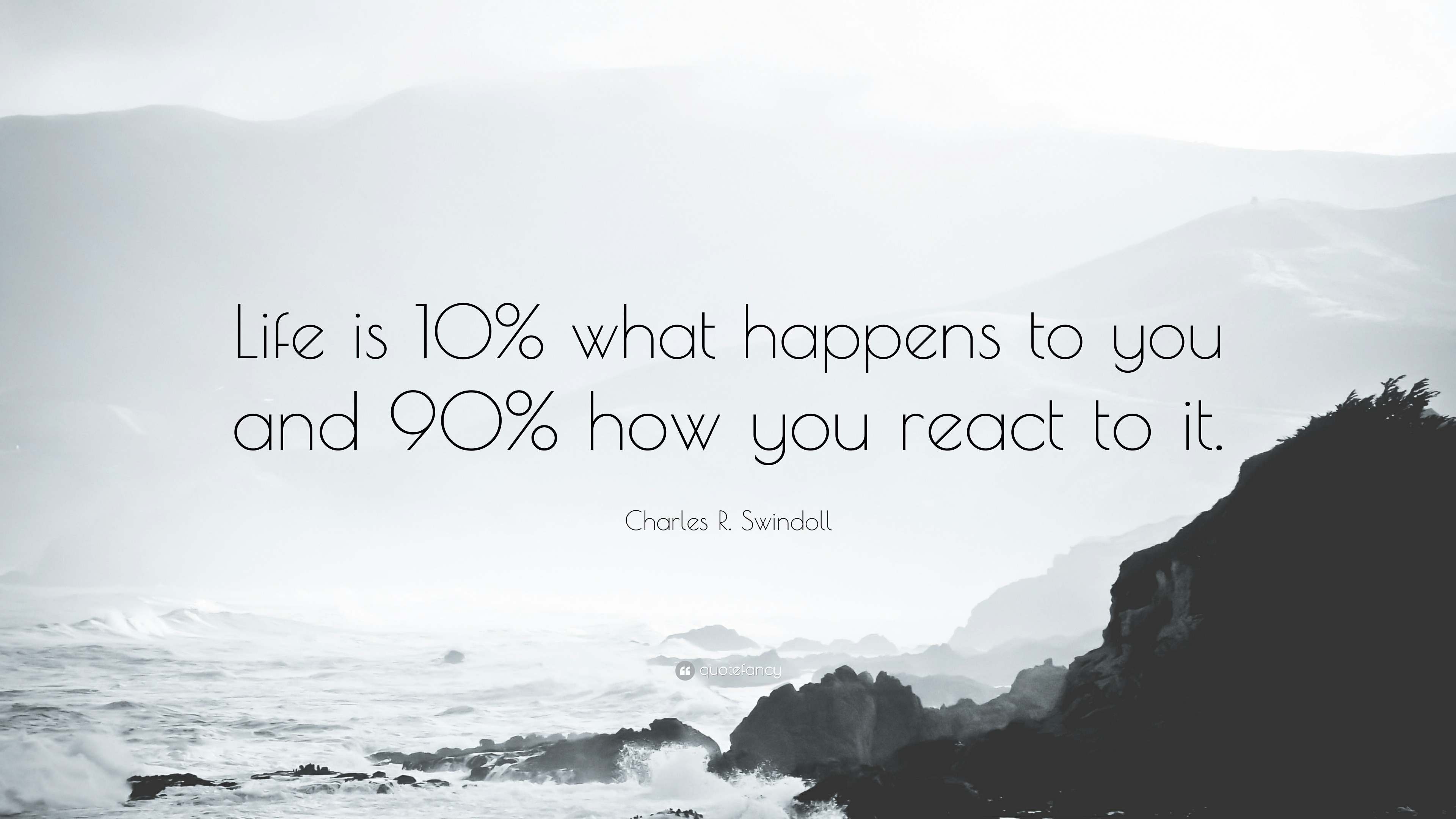
As I wrote this post I am reminded that we all have struggles and situations in our lives that are challenging. Life is 10% of what happens to you and 90% how you react - John Maxwell. I choose to be grateful.

Friday, December 29, 2017

Year in Review

Before I write write my #Oneword2018 I wanted to reflect on 2017. Without a doubt this has been the most challenging year in my life. As I have shared in previous posts my wife was diagnosed with ovarian cancer in February of this year. The pain was so raw in the beginning it was a challenge just to make it through the day without overwhelming fear and crushing anxiety. A nine hour surgery was followed by multiple rounds of intensive chemotherapy. The chemotherapy was delivered directly into her abdomen and she was admitted to the hospital for three days for each round. I felt helpless as I watched her get filled with poison in order to kill the cancer.

While most of our friends and family enjoyed their summers and took much needed vacations we were making trips back and forth to the hospital. The weeks between treatment left Jenna in tremendous abdominal pain and wiped her out to the point she needed multiple blood transfusions. I tried to make the best of the summer with our two beautiful daughters. One of our goals was to find the best burger near our home (side note - I love a good burger). We did find two places that have great burgers.

The summer faded quickly and the school year started. The intensity of the start of the year paired with Jenna finishing treatment left us both feeling drained. As we tried to settle into the routine of school year we received great news. Jenna's CT scan after treatment showed that she was NED (No evidence of disease). We celebrated in early October with our first date in months.

With all of the uncertainty, sadness, fear, anger, and anxiousness that filled 2017 there was also love, beauty, kindness, and friendship. The outpouring of support was absolutely amazing. We are so blessed in that regard. I don't think we could have made it through the first few days and weeks without that support. I have often heard the following verse - "The Lord goes before you and will be with you; he will never leave you or forsake you. Do not be afraid; do not be discouraged." Deuteronomy 31:8. I suppose I never had to really put much thought into that verse because my life was fairly easy. I mean we had challenges and things came up, but nothing that turned our world upside down. My faith continues to be tested and I have to believe that God won't leave us.

With all of my focus on Jenna and our girls I had a very difficult time being at my best as a principal. One of the things that is really important to me is developing and maintaining a great culture where teachers and students feel comfortable to take risks. When Jenna was going through her treatment I was missing work and I wasn't able to spend time in classrooms, build relationships, and celebrate risk taking.

The last couple of months I started to feel more like myself and I feel more connected with what we are doing at our school. I am super proud of our teachers who have adopted the use of morning meetings to connect with their students and build classroom community. Our students started to share their stories and the great things that are happening at our school through a weekly podcast. You can follow them on iTunes.

Here is one of my favorite episodes - AGS News Episode 6 

We also have students talking about the books they enjoyed through book talks that we share with our school community.

As the years come to a close I am thankful that Jenna is doing much better. I am hopeful that we can continue to build an awesome school culture and I am comforted knowing that God is always with us.


Tuesday, December 19, 2017

Vulnerability is My Strength

This is the second part of a three part series exploring the connection between failure, vulnerability, and the importance of iteration. In part one I discussed the difference between being a failure and learning from failure. Part two is about how vulnerability is a strength.

Part One - Failure

Part Two - Vulnerability is My Strength

One of the greatest challenges to taking a risk, or stepping out in faith, is the fear of failure. The fear that we open up ourselves to criticism. That inaction and inability to move forward and try something new in our classrooms or schools leads to missed opportunities and stunted personal and professional growth. We choose not to change and play it safe and that hurts ourselves and others. 


Worse yet, is we pretend that we have it altogether, and that we are the experts. We don't want to look bad so we put on this display of confidence which comes across as arrogance. In the podcast "Doing What Only You Can Do, Part 1" by Andy Stanley he discusses this very point "...insecure leaders have a tendency to hide their weaknesses...". I think that statement is so powerful and that idea of hiding your weaknesses can lead to a lack of trust and understanding. When we are arrogant enough to pretend that others can't see our weaknesses it sends the message that we are not approachable or that we don't care about how to make our schools better, we only care if we look good. If we think we are doing a good job of hiding our weaknesses we are not. Andy goes on to say "if you don't know what you are not good just ask the people that work with you, they know." Those we work with know our strengths and areas that are not our strengths. 

A few years ago I had the opportunity to talk with teachers about the leadership of their principals. The teachers were not shy about sharing the  strength and weakness of their principal. One of the key findings was the importance of trust as it relates to teacher agency. In one school teachers discussed how their principal trusts them. 

“she sits back and allows the specialists to speak up about their expertise”  and  “about that trust that she has, that we know what is best, we know how to teach, we have those intuitive skills in place” 
This trust comes from a place where the principal was honest and open with the staff and modeled vulnerability. It was through this vulnerability that she earned the respect of her staff . They described her vulnerability "as taking more risks as a leader and sharing more about herself with the staff". I love that quote and how this principal showed that by being herself led to greater levels of trust with her teachers.

I recently was listening to a podcast where the guest being interviewed stated that your vulnerability is your greatest weapon. I would prefer to say it is your greatest strength. Being vulnerable shows that you are human and allows for a stronger connection with others. Vulnerability demonstrates to others that you are willing to take a risk and are not afraid of failure and that you can learn and grow from failure.

I asked a few friends who have demonstrated vulnerability to create some things that are pretty awesome and why they decided to be vulnerable and take that risk. Here is what they had to say:

Allyson Apsey, co-founder of  #principalsplayhouse, shared that she wanted to model that even with doing the hard work we can be filled with joy, acting a fool for the benefit of others is a good leadership trait, and she wanted to provide a laugh to colleagues across the country.

Jodie Pierpoint, decided she wanted to help teachers, like her self, who are pursuing leadership positions so she created Dream Big Mentorship where Jodie has paired school leaders with aspiring leaders. She shared her vulnerability and risk taking comes from a desire and passion to help others reach their goals of landing a leadership position.

Jon Wennstrom, co-founder of #principalsplayouse, talked about the importance of having a partner that he trusted and how she helped push him out of his comfort zone. He mentioned how Allyson got him excited about the project and then ideas started flowing from there.

We cannot become the leaders or teachers we desire to be without being vulnerable. It is what makes us real and authentic and connects us with others. When we embrace the vulnerability and realize that it is our greatest strength than we can take risks without the fear of failure.

Taking that step and being vulnerable is not easy, and I am sure if you were to ask Allyson, Jodie, or Jon they would talk about how it took quite a bit of courage to take that risk. However, if they did not take that step they would not have created the #principalsplayhouse or the Dream Big Mentorship.

We all have greatness in us, but we need be vulnerable in order to reach it.

Wednesday, December 13, 2017

Failure


This blog is the first part of the three part series where I am exploring some concepts that continually seem to be at the forefront of my mind. It seems that the idea of failure, vulnerability, and iteration are concepts and ideas that come up in the books that I am reading or when I am listening to various podcasts. I see these three themes connected to each other. So I am trying something new with my blog - a three part series.

Part One - Failure

I have been fascinated with the idea of failure and how people respond to failure and why some people can move forward while others get stuck. I am drawn to the stories of people who overcome disastrous failures and end up achieving great success. Perhaps I envy their ability to not get overwhelmed by their failure and instead they seem to allow that failure to drive them towards their success.

Merriam-Webster defines failure as a lack of success or falling short. These words can haunt you for a long time. They can be soul crushing especially when you pour everything into that idea or project. We too often shy away from moving forward or making another attempt. We shut down, yet there are others that walk away from failure seemingly unscathed. Why is that?

Despite having potentially catastrophic starts to their careers and ambitions these famous people demonstrated overcoming likely career altering setbacks.
  • James Dyson  needed over 5,000 prototypes and 15 years to perfect the Dyson vacuum. 
  • Dr. Suess had his first book rejected by 27 different publishers.
  • Harrison Ford was told, after a small role in his first movie, that he'd never succeed in the movie business.
  • Herb Brooks was the last player cut from the 1960 U.S. Olympic Hockey Team, 20 years later he was the coach for the "Miracle on Ice Team" that won the 1980 Gold Medal. 
  • Oprah Winfrey was fired as an anchor in Baltimore for getting "too emotionally invested in her stories".
  • Walt Disney was fired by a newspaper editor because "he lacked imagination and had no good ideas.
  • In 1954 the stage manager of the Grand Ole Opry fired Elvis after one performance and told him "You ain't going nowhere, son. You ought to go back to driving a truck"
It can be easy to take a look at this brief list of famous people and think those are great stories. I sometimes do this as well. I don't always see how these examples relate to me. These are famous people who had greatness in them that was undiscovered, or at least that is what I think at times. However, these are real people, like you and me, and we can learn from them.

John Maxwell states that "the first important step in weathering failure is learning not to personalize it". Well for me that continues to be a lesson that I need to learn. It is so hard not to personalize failure when I care so much or give everything I have and come up short. Carol Dweck adds "...failure can be a painful experience. But it doesn't define you." That is powerful. What both Maxwell and Dweck are saying is that you are not a failure just because you have experienced failure. That seems to be the distinction and one that James Dyson, Dr. Suess, Harrison Ford, Herb Brooks, Oprah Winfrey, Walt Disney, Elvis Presley, and many others have made in order to learn and move on from their initial failures.

"I've missed more than 9000 shots in my career. I've lost almost 300 games. 26 times, I've been trusted to take the game winning shot and missed. I've failed over and over and over again in my life. And that is why I succeed" -Michael Jordan

One of the greatest, if not the greatest basketball player of all time, recognizes the distinction between failing and being a failure. This lesson of knowing and believing that there is a difference between failing and being a failure is so important for me. And I believe it is just as important for our students,

Stay tuned for part 2 - Vulnerability


Monday, November 13, 2017

Power of Love

When I was in sixth grade one of my favorite movies, Back to the Future, was released. I remember going to the Barrington Square Movie Theater and getting stuck in the front row because they were the only open seats in the theater.  Even with the terrible seats I was mesmerized by the sheer awesomeness of the movie. I have seen the movie dozens of times and I still get hooked by the opening sequence.


How can that opening not be a classic? The imagery and song are just perfect. The Power of Love by Huey Lewis and The News is just great. It brings a smile to my face every time I hear it. I guess in many ways the opening of the movie brings me back to my childhood where it seemed anything was possible. If you have seen the movie before you know Marty's parents need to get back together in order for Marty to save himself and his siblings from vanishing from existence. It is the power of love that surprisingly brings his dad and mom together again and saves Marty and his siblings from extinction.

What does all of this have to do with leadership? We need to tap into that power of love, not the way Huey Lewis describes in his lyrics, rather the idea of sacrifice, putting the needs of others before you own, creating the environment for others to grow and flourish. Yes, we need to love those we serve. I know that this can fly in the face of our me first society and working towards career and individual goals, but we are not successful unless our schools or work places are successful. That means we need to look out for the needs of our teachers and students and be responsive to those needs. When we let the power of love lead our nerdy, awkward, sometimes insecure selves, some absolutely amazing things can happen.

Taking a risk and being vulnerable is hard and it often feels like we are standing on the that high dive platform not sure if we should jump or back away from the edge of the platform. The only way to know for sure if the risk is worth it is to be vulnerable and take that step towards the end of the platform and go for it. I recently heard about a study that was done of  one hundred people over the age of ninety. The survey asked asked about what they would have done differently in life. They shared that they would have risked more, reflected more, and done more that would live on after they were gone.

Leading in ways where we are taking risks and striving to leave a lasting legacy is not easy. However, I believe leading and living this way is the most rewarding and it takes the that power of love to carry us through the challenging times. 


Monday, October 23, 2017

Made to be Awesome

We are made to be awesome and do amazing things. Yes, I really believe we are made to be awesome. When I say made to be awesome I am not talking about those personal accomplishments. Instead, being awesome is leaving a legacy and an impact that is felt way beyond our time on earth.  As I continue read, listen to podcasts, and spend time reflecting I realize that we all have a calling, a purpose, and an opportunity to do something special. The inspiring video A Pep Talk from Kid President to You has over 40 million views on YouTube not just because of the cute and funny Kid President, but because of the message and how we all connect with the idea that we are here for a greater purpose.

I really don't believe we want to be average, that we want live a ho-hum existence, or that we strive for mediocrity. Too often we get caught up in the minutia of everyday life. We are so busy running from one activity to the next or crossing off the to do items off of our list that we forget why we are doing what we are doing. If we are to reach our potential and live an awesome life we need to be able understand our purpose.

When we think about purpose we often think about our personal purpose and we get confused that this purpose thing is about me. It isn't. If we are going to be awesome, leave a legacy, and make a difference we need to let go of the notion that it is about me. Andy Stanley, in his Leadership Podcast, sums up the idea purpose not being about oneself "it is a call to sacrifice...a call to action...being committed to something bigger than myself that is not of myself." - August 31, 2017.

Jim Collins, author of Good to Great, describes level 5 leaders who set the example of leading companies to excellence and understanding it is not because of their own greatness, rather it is because they model being committed to something bigger than themselves. In his study of great companies Collins found that these Level 5 leaders have an incredibly strong professional will while having a great amount of personal humility. He shares that these leaders "channel ambition into the company, not the self...(leaders) looks out the window, not in the mirror, to apportion credit for success of the company to other people"

While we may not be leaders of billion dollar, industry leading companies, we can still learn from these Level 5 leaders. They understand that it is not about them, instead it is about the organization. The sacrifice, action, and commitment is not for personal glory, rather it is about moving the organization forward. In each of our lives we are called to a purpose that is greater than ourselves. That may be to give yourself to your children so that they can reach their potential, it might mean volunteering to make your community a better place, it can mean being the best para professional, best teacher, or best administrator in order to create extraordinary schools.

There are roadblocks that keep us from becoming the person we are meant to be and the life we are meant to live. We are responsible for these barricades as we create them by being selfish with our time and get too busy to give ourselves to a greater cause.  We choose to live very busy lives and we don't leave any time for anything else. We don't stop to take stock on where we are on our journey and because we don't take time to reflect we are not able to make any changes. We also fail to jump at the opportunities to do something amazing. We are afraid to take the risk or we wonder if the personal cost will be too much.

I am writing this blog to challenge myself. To live the life I was made to live. To be a difference maker, to make an impact. To be awesome and do amazing things. We are never to old to change. There are opportunities to something amazing everyday.

Remember, you were made to be awesome! Live your life to the fullest by making a difference.

Friday, October 6, 2017

Developing a collaborative culture

The past few weeks, through many different experiences, I have been reminded about the importance of developing a collaborative culture. These experiences that didn't seem connected at first, but later through conversations and reflection I realized that these experiences all had to do with collaborative culture.  From data days to a Voxer group discussion, I recognized the importance of having strong relationships, developing a healthy culture, and the need for collaboration.

In our school we recently had our data days, which provides an opportunity and structure to collaborate with grade level teams to plan for supporting all of our students. To be completely honest these can be very long days. Each day involves meeting with three different grade levels along with specialists, psychologist, and other administrators. Often there are difficult conversations about the best way to support students and you can often feel drained by the end of the day. In discussing ways to set the tone each time we were to meet with a grade level with our assistant principal we decided we would do a quick check-in with everyone at the table. At the start of each grade level data day meeting and prior to jumping into agenda we had each person share one word that described how they were feeling (words ranged from worried to energized) and one sentence about what they hoped to get out of the data day meeting. Our data day meetings seemed more effective, and we felt energized by the discussion and plans for supporting students. I think this occurred because we paid attention to the culture of these meetings and purposely spent time investing in the culture so members felt connected to the work we needed to do.

Not long after data days I  happened upon a podcast where author and speaker Jon Gordon was being interviewed about one of his books and during the podcast he emphasized the importance of needing to constantly work on culture and the importance of developing relationships. It confirmed for me that it was worth while to invest time and energy to purposely invest in developing culture.
Culture drives everything, culture drives expectations and beliefs, expectations and beliefs drive behaviors, behaviors drive habits, and habits ultimately create the future. So your culture is basically who you are, it is what you stand for. You have to make sure you are investing in your culture. - Jon Gordon
One of our main goals for our school this year to to implement classroom meetings so that we can  build positive classroom communities. I have had the privilege to visit and participate in several classroom meetings. I was struck by how these meetings were changing the culture in classrooms. The time that the teachers are spending in  classroom meetings is worthwhile. In one of the classroom meetings I visited the students and teacher were talking about welcoming a new student into their class. This new student was starting the next day and the students shared ways that they could help this new student feel comfortable, understand the routines and expectations in class, and make sure they were welcomed into their space. I was really impressed that the students thought and shared about making this new student feel welcomed. Each day our teachers and students are meeting and developing their classroom culture. I know that this will have a tremendous impact on all of our students.

This week in our Compelled Tribe Voxer group a question was posed that asked - How do you know if you are making a difference? It made me really think. When I was a fourth grade teacher I knew if I was making a difference when I would see students make academic or behavioral growth. As an administrator I still look to student growth as an indicator if I am making a difference, but more than that I look to see if the culture is changing in our school. I look to see if people are working collaboratively to solve problems, to plan for student learning, to be creative in their teaching. I look to see if people are willing to take risks and are excited about stepping out of their comfort zone to try something new.

During my research about collaboration I came across a study that written 35 years ago and I believe that it still rings true today. In order to grow and get better at what we do we must work together, we cannot work in isolation or think that we as individuals have all of the answers. As leaders we need  to create a culture that emphasizes teacher to teacher trust, freedom to take risks, and a desire to be creative.
... continuous professional development appears to be most surely and thoroughly achieved when: teachers engage in frequent, continuous and increasingly concrete and precise talk about teaching practice  (Little, 1982) 


Tuesday, August 29, 2017

Can I change my attitude?

Over the last few months I have spent a great deal of time at the University of Chicago medical campus as Jenna was receiving her inpatient and outpatient chemotherapy. During that time I explored different places to eat as the hospital cafeteria food got old real quick. My travels usually took me past the entrance to the DCAM building which is kind of like Grand Central Station. Patients are being dropped off, picked up, the valet attendants are busy moving cars, and it feels a bit chaotic. I would always see the same security officer directing traffic and what I noticed was not the fact he was doing a nice job of directing traffic but he was doing it with joy. I saw him smiling, singing, whistling, and being kind as he directed traffic. What he was doing was noticeable and in some small way made a difference. It made me think if he could bring joy to his job of directing traffic and bring a smile to someone than what can I do?

Image result for life is 90 how you react

This quote has resonated with me for a long time. We can't always control our circumstances, but we can control our attitude. Authors and speakers Andy Andrews and Jon Gordon touch on the idea of choosing your attitude. Jon Gordon talks about taking a daily gratitude walk and listing the things you are thankful for (shelter, food, relationships, job, etc...) and Andy Andrews talks about making the switch of complaining about your circumstance or situation to being thankful for it (high electricity bill vs. being able to have a comfortable home that has air conditioning, having to clean the toilets  vs. indoor plumbing, doing laundry vs. clothes to wear). This change in perspective is a daily battle, takes practice, and time. Our world was rocked when we found out Jenna was diagnosed with Ovarian Cancer. It still is rocking our world. The best way I can it is it sucks, but not every second or every minute has sucked. In fact, when I think about it I have been blessed to have been able to spend more time with Aleigh and Caitlin, I have been able to witness Jenna's toughness and fighting spirit, I have been humbled by the outpouring of love and support, and I learned more about what is means to be understanding and patient.

Merriam-Webster defines joy as a state of happiness or felicity. I am not trying to be Pollyanna abut this idea that you simply should have a sense of joy or be happy all of time. However, I do think we can make a difference in our schools, with students and teachers, and in our relationships if we looked at circumstances differently and instead of seeing the negative or complaining look for the positive. On Twitter the hashtags #dadsasprincpals #momsasprincpals #Joyfulleaders #Liftup101 #CelebrateMondays  #principalsinaction are filled with examples of educators bringing a sense of joy to their schools. We have a choice on how we will be remembered and it won't be for completing all of your items on the to do list, rather it will be how you impacted the lives of others. If we are too busy complaining about our circumstances then we miss the opportunity to make a difference.


Here are two resources I have found helpful as I continue to work on changing my attitude -

The Butterfly Effect 

More Than I Can Bear


Tuesday, August 15, 2017

Are you ready?

Are you ready? This question often gets asked between teachers and administrators before students arrive for the first day of school. The exchange often goes something like this - Teacher is walking down the hallway and is approached by another teacher or staff  member. The teacher approaching asks Are you ready? The second teacher responds something like as ready as I'll ever be. The two share a laugh and continue on their way. This exchange is repeated over and over again in hallways of our schools across the country. It is almost the same as asking How are you doing? It is a friendly exchange between two teachers that is meant as a hello rather than really wanting to know if someone is ready for the start of school.

When I really think about this question I end up reflecting about my hopes, dreams, and goals for the year. I think about being ready for all of the students that will be in our building. I think about the teachers and staff. I think about the parents and community. I stop thinking about my to do list and think about how we will make those all important personal connections with students. I think about how I can support teachers in order for them to grow professionally and I think about how I can build partnerships with families. I think about building a community. A place where teachers, students, and families want to be, a place that is special and unique.

At our school we worked long and hard at creating our mission and vision as we desire to become a great school. Through the process of developing these statements we realized how important community and building a sense of belonging is to all of us. This year we will focus on building positive classroom environments where students feel a sense of belonging, where they are valued, and where they believe they can make a contribution. I recently watched a video where the speaker repeated the idea that it is about the process not the product. The process of creating a community of learners and investing in our students leads to student growth  and when we focus on the process not the product we stop being overwhelmed with those things that we can't change like curricular changes, mandated assessments, and increased accountability. When we spend our time and energy focusing on the things that we cannot change that becomes draining and we loose our energy to create or innovate. However when we spend time focusing on the process of improving student learning through building relationships and community then we become energized to continue to connect and create.

This year when I think about the question Are you ready? My answer is yes, you bet that I am ready.


Thursday, July 27, 2017

Long Road

My last blog was five months ago. A lot has transpired in those five months and I every time I sat down to write and reflect I couldn't bring myself to do it. My wife, Jenna, who is my best friend and the a fabulous mother to our two daughters, Aleigh and Caitlin was diagnosed with Stave IVb Ovarian Cancer. Our world was turned upside down and continues to feel like we can't get our feet under us.


There have been many challenging side effects to her treatment and surgery which has left Jenna with the inability to drive and needing to lay down because of the abdominal pain. The deliver of chemo IP (intrapertoneal) creates massive discomfort in her abdomen, causes dehydration (we have had one visit to the ER), intestinal discomfort, tinnitus and hearing issues. Through all of this she continues to be focused on the well being of both of our girls.


One of the biggest things that I love about Jenna is how she has been my number one cheerleader. Even though she is in an incredible amount of pain she shares with me that she doesn't want all of this to impact my enthusiasm for my job, leadership, students, teaching, and learning. Watching someone battle cancer is extremely hard. I often feel as if I am helpless and unable to provide any relief to Jenna's pain. She has two more treatment cycles and we are hopeful that she there will be no evidence of disease when she is finished with chemotherapy. It has been a long road and we are almost at the end.

Through this journey I have learned a number of things that I hope will help me be a better husband, father, and principal. We have also been so blessed with the support of friends and colleagues. While there has been a lot of sadness, we have also experienced moments of joy, gratitude, laughter, and grace.


I don't know what the future will hold and I guess that none of us really do. During the first few months of Jenna's battle I felt lost and it was hard for me to focus. I intentionally took a break from blogging and social media as it was hard for me to feel supportive and positive of those in my PLN. While the journey is not yet over I have started to slowly re-engage on Twitter. The #dadsasprincipals is one movement that I have connected with as being a dad and husband is the absolutely greatest. I am hopeful that Jenna will be able to beat this dreaded disease and that we will be able to grow old together. I wish that I could do something that would guarantee that and knowing that there is nothing I can do is hard. All I can control is my actions and my ability to make the most of my time when I am at school and when I am at home. As Jenna and I often discuss when facing the unknown future is we just have to take one step at a time and let God take care of the rest. It has been a long road and we know there is a lot more to go. 

Thursday, February 9, 2017

At the Heart of Collaboration

As a leader I look for opportunities to foster teacher collaboration so that teachers can learn and grow from each other. I learned from my experiences as a teacher, where way too often I worked in isolation and at times it felt like the members of my team were in competition and not collaboration. We didn't trust one another which limited our opportunity to learn from one another. I do believe there is a place for competition in our schools which I will discuss later. However, without collaboration and trust, competition can lead to less sharing, more about me, and more about their being winners and losers which hurts students. 

There is a lot of research on the topic of teacher collaboration and how that collaboration has a positive impact on school culture and student learning. As far back as the early 1980s research demonstrates the importance of teacher collaboration. Teachers in collaborative schools participate in four “critical practices”: (1) talking, (2) watching, (3) planning, and (4) teaching about classroom practice (Little, 1982). Little goes on to describe what these practices look like: teacher “talking” is seen as teachers discussing classroom practices; “watching” is mutual observation that takes place between teachers; “planning” is teachers designing and preparation of curriculum; “teaching about classroom practice” happens when teachers are discussing instructional improvement.


These critical practices can only take place when there is trust built between teachers. Trust takes time and a willingness by teachers to openly share and to be vulnerable. When there is open dialogue, observation, planning, and discussing instructional improvement among the teachers the school becomes a learning organization.  Senge (1990) describes learning organizations as places “where people continually expand their capacity to create the results they truly desire, where new and expansive patterns on thinking are nurtured, where collective aspiration is set free” (p. 3) and it is through this openness to creativity within teacher collaboration that leads to an atmosphere where risk-taking, innovation, and improvement occurs (Louis, et. al, 1994). Isn't this what we want from our schools? We want our schools to be places where their is risk-taking, innovation, improvement and where teachers expand their capacity to create the results they truly desire. As a leader this is the culture that I want to cultivate and foster, but I know that I cannot do it alone. 


In digging into the research on developing a culture of collaboration one of the themes that comes up over and over again is the concept of shared leadership which is a strategy that good principals use to make decisions, empower teacher leaders, and create a culture where collaboration can materialize (Hord & Sommers, 2008; Leonard & Leonard, 2005; Louis, et. al., 1994; Wells & Fuen, 2008). Principals should not be seen as the ones with all the answers in how to improve the schools. Instead leaders need to connect with teachers and create the atmosphere for teachers to be able to connect with one another. Principals should develop teacher leaders and allow them to collaborate with their colleagues. Rosenholtz (1989) describes three different outcomes for when teachers collaborate with teacher leaders  (1) they define a new way of doing things, (2) suggest and inspire ideas and discourse, (3) help others overcome difficult and challenging problems. When we have teachers leading other teachers learning and growing happen for all involved. This is how we get better. This is how we accomplish our goals and live out our mission. We can't do it alone. 


Leaders who venture off on their own end up developing what Hargreaves & Fullan (2012) describe as the “my school” or “my vision”,  and in these cases the management of the school turns into manipulation and collaboration turns into collegiality. In these situation there is a failure to develop a sense of unity and togetherness. I don't believe in the "my school" or "my vision" places that there is an overwhelming sense of belonging or success. A school should have a common mission that is understood by all in the building. This cannot be just the mission of a principal. The understanding of the work happens when there is collaboration and a sense that we are in this together. I think this quote captures the importance of having a collective understanding of a mission and goals. 

If there is any center to the mystery of schools’ success, mediocrity, or failure, it lies deep within the structure of organizational goals; whether or not they exist, how they are defined and manifested, the extent to which they are mutually shared. (Rosenholtz, 1989, p. 13).

Without a shared understanding and responsibility for student learning  it is nearly impossible for a school to be successful. It takes a collective effort through collaboration and a willingness for principals and teachers to grow and improve their practice. As I stated earlier there is a place for competition in schools. A healthy competition really rests with each individual and how they will use that drive, competitiveness, and willingness to get better. Collins (2001) shares the importance of embracing the brutal truth and being relentless on pursuing this truth. School leaders and teachers need to continue to reflect, learn, and seek the truth in how successful they are in meeting the needs of their students. They need to seek the truth about areas they need to grow. They need to seek the truth to determine where they are falling short. The relentless seeking of truth is where that competitive drive lives. The drive to improve and get better. When members of the school have that competitive drive you end up with better leaders, better teachers, and better schools. This competitive drive also opens us up to learning from each other, to collaborate, and to share in the mission of the school. 

I have been fortunate enough to have been a part of two different schools that transformed into highly collaborative environments where teachers had the competitive fire to improve. In the first school I was the student services coordinator and we developed collaborative teams that worked together to participate in those "critical practices" of talking, watching, planning, and teaching about classroom practice. The end result was a dramatic improvement in student achievement. I was the principal of the second school that had a similar transformation. What happened at this school was equally as remarkable. Through the development of collaborative teams and creating a collaborative culture we embraced the brutal truth that our students were not making the growth we expected. The embracing of our truth was a motivating factor for us to make changes with our instructional practices. I don't think this would have been possible if it was not for that competitive drive, the will to get better, and the desire to do something about our truth. Teachers sought out opportunities to learn from each other. They discussed ways to better meet the needs of students. The culture shifted and our goal of having students grow was embraced by everyone.

Collins, J. (2001). Good to great. New York, NY: Harper Collins Publishing.
Hargreaves, A. & Fullan, M. (2012). Professional capital: Transforming teaching in every school. New York, NY: Teachers College Press.
Hord, S. & Sommers, W. (2008). Leading professional learning communities: Voices from research and practice. Thousand Oaks, CA: Corwin Press.
Little, J.W. (1982). Norms of collegiality and experimentation: Workplace conditions of school success. American Educational Research Journal, 19(3), 325-340.
Louis, K. S., Marks, H. M., & Kruse, S. (1994). Teachers' professional community in restructuring schools. Madison, WI: Wisconsin Center for Educational Research, University of Wisconsin-Madison.
Rosenholtz, S. (1989). Teacher's workplace: The social organization of schools. New York, NY: Longman.
Senge, P.M. (1990). The fifth discipline: The art and practice of the learning organization. New York, NY: Doubleday.